An unforgettable tour of three towns on the shores of the majestic Lake Atitlán: San Juan La Laguna, San Pedro La Laguna, and Santiago Atitlán . On this tour, you’ll experience the cultural richness of the Tz’utujil Maya people through their traditional textiles, naive art, living history, ancestral flavors, and profound spirituality.
From the colorful murals and artisan workshops of San Juan, through the history-filled paths of San Pedro, to Santiago, birthplace of martyrs and artists, this trip is an opportunity to see, experience, and appreciate the identity of people who proudly preserve their roots. This tour is more than a visit; it’s an encounter with the wisdom of the elders and the creativity of artisans.
Porta del Lago, Panajachel
08:30
$220.00 USD (1 person)
$115.00 USD per person (2 people)
$85.00 USD per person (3 people)
$70.00 USD per person (4 people)
$55.00 USD per person (5 people)
The expectation is to experience, learn, and connect:
To touch cacao, honey, and traditional looms with their own hands.
To hear living stories in churches and central parks.
To see murals, paintings, and Mayan symbols come to life in workshops and on the streets.
To taste typical food in a local, family-friendly setting.
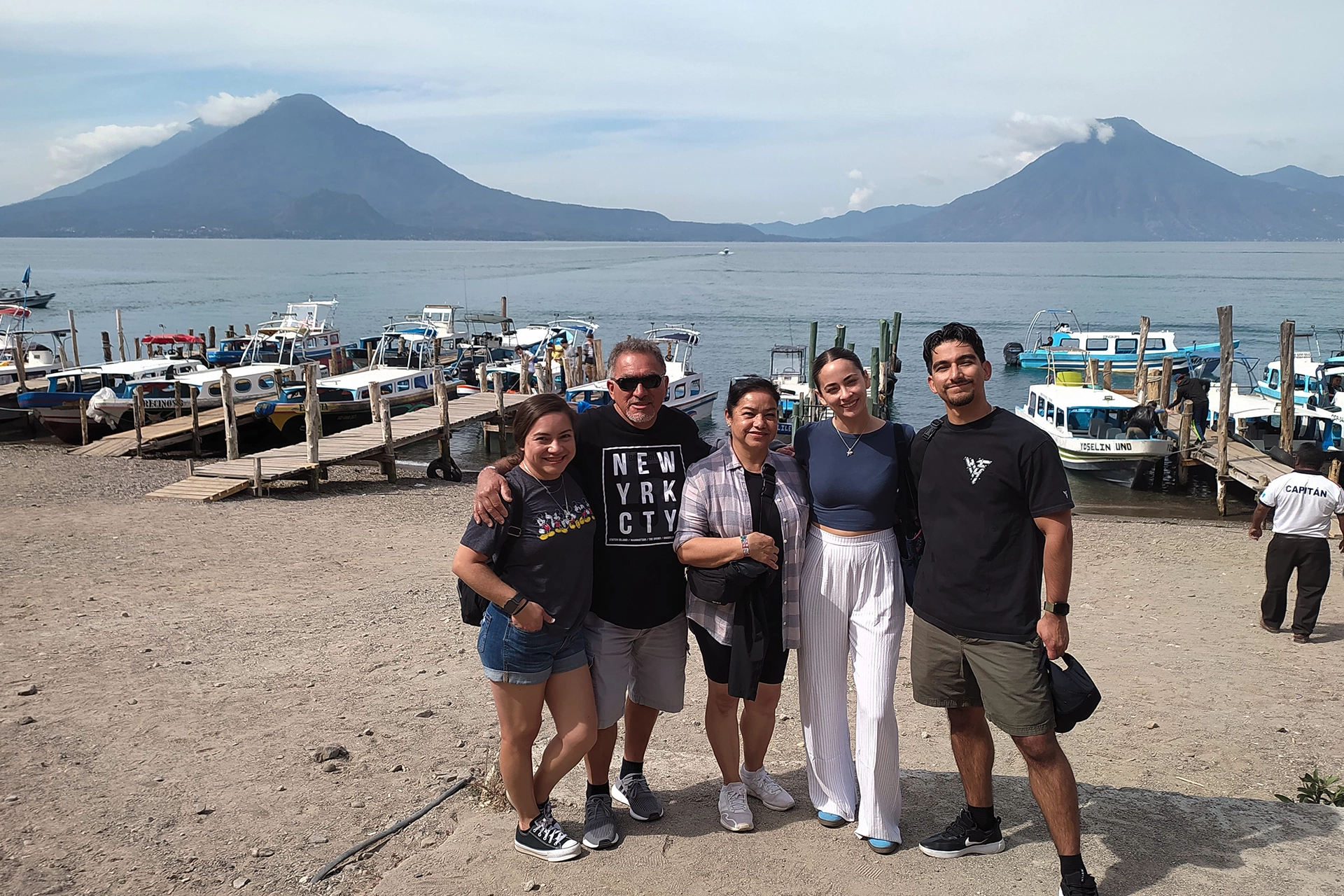
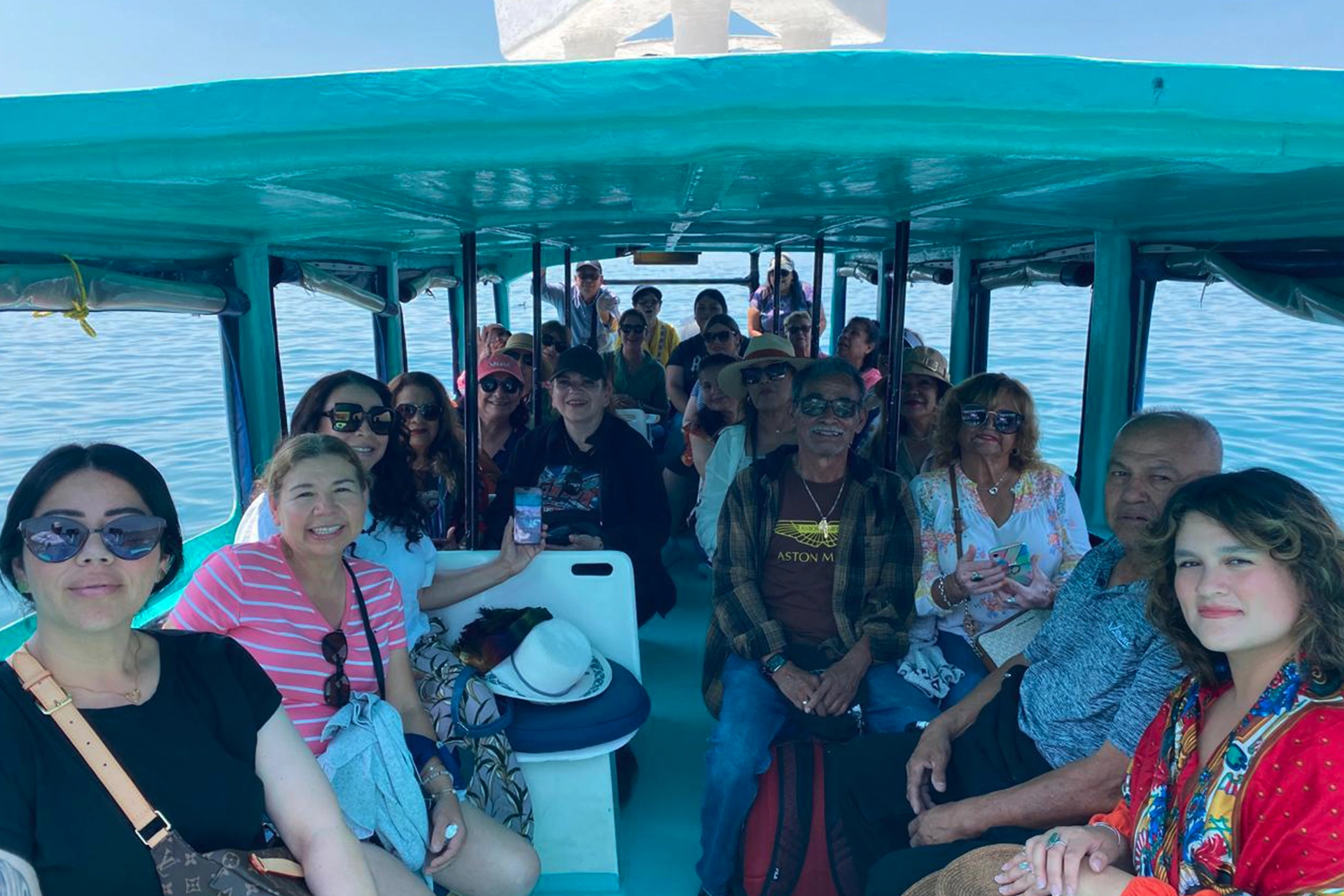
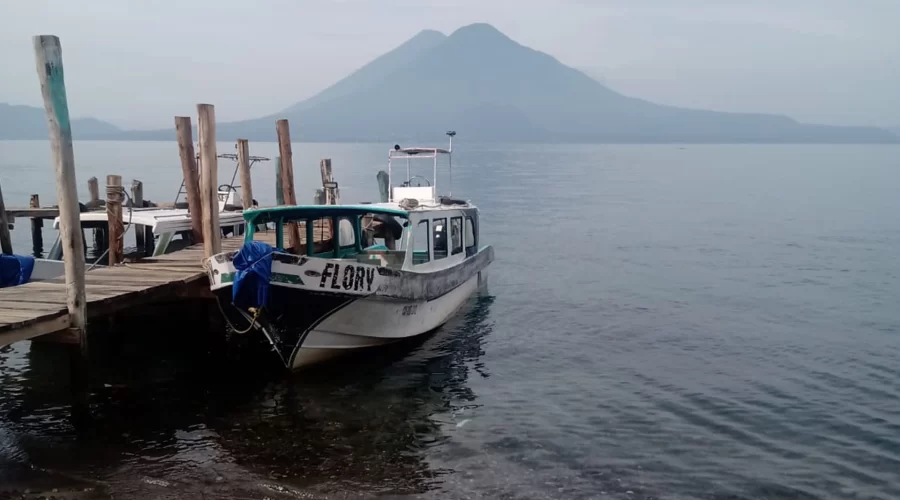
The tour begins at the Porta Hotel del Lago in Panajachel. We’ll walk to the public beach pier, where we’ll board a boat that will take us across the majestic volcano-lined Lake Atitlán to the Tz’utujil Mayan village of San Juan La Laguna.
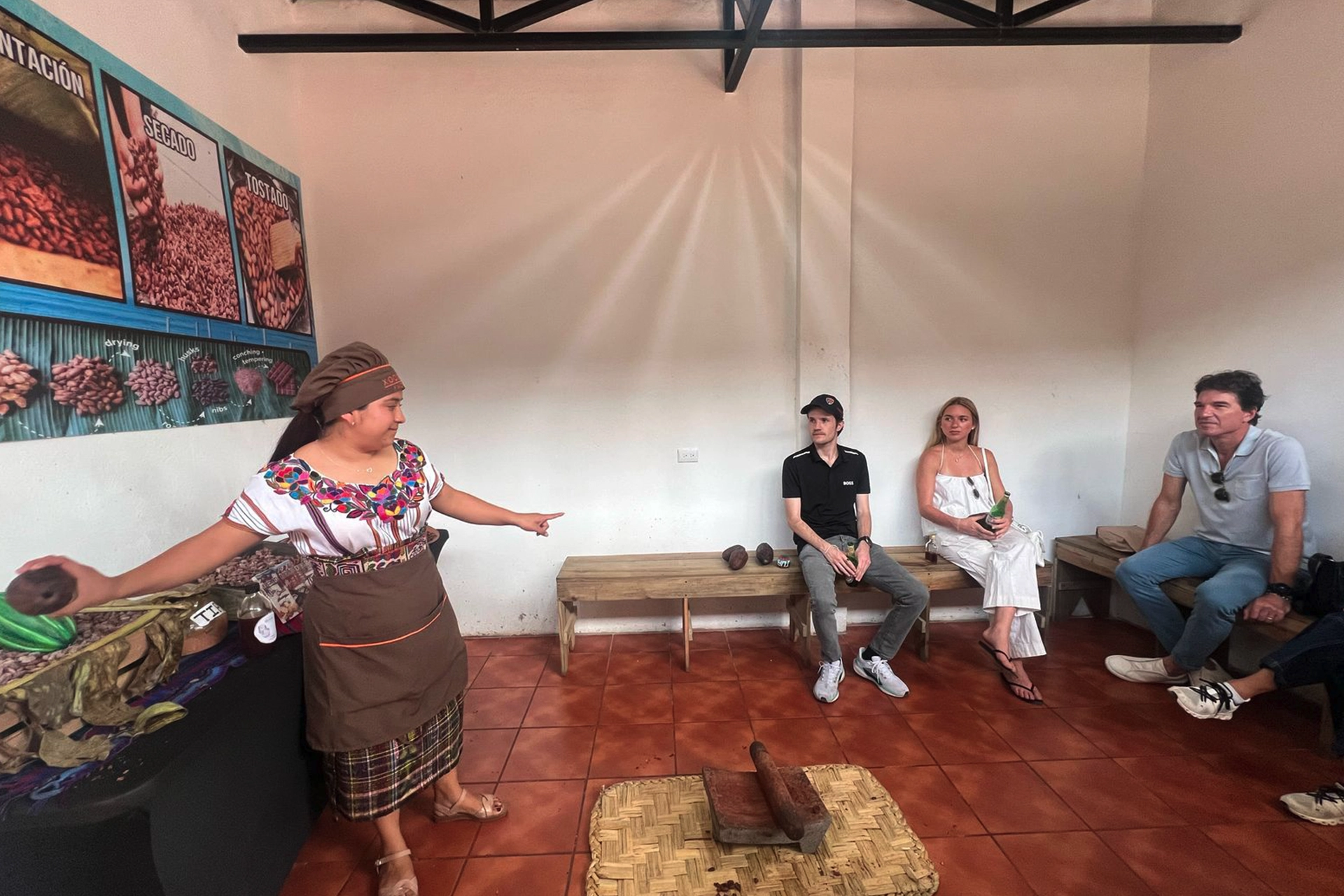
In this artisanal workshop, we’ll learn everything about the transformation of cacao into chocolate. From roasting the beans to making bars, we’ll demonstrate how 100% natural, chemical-free chocolate is produced. Participants will have the opportunity to make their own chocolate and enjoy a tasting.
This workshop presents the fascinating world of bees in Guatemala. The three types of bees found in the country are explained, along with how the community cares for them to obtain honey naturally.
Honey-based products are also demonstrated: soaps, creams, ointments, and sweets, all chemical-free. The ecological importance of bees to the environment and human health is highlighted.
Here, visitors can learn about the complete process of traditional Mayan weaving: from the treatment of the thread with corn and warm water, to the use of the backstrap loom, to the design and embroidery of unique pieces steeped in history. The artisans will explain the symbols present in the textiles, inspired by nature, volcanoes, and stars.
Upon arrival, we visited one of the town’s most representative symbols: the Monument of the Oars. This site honors the Tz’utujils’ deep relationship with the lake, fishing, and sailing as an ancestral way of life. It’s an ideal spot for photographs and a first connection with the local worldview.
We continue to the center of town to visit this historic colonial church. Here, the religious syncretism between Mayan tradition and Christianity is explained, evident in the town’s devotion and rituals. The guide will share historical facts, beliefs, and local legends.
We continue to the Xechivoy Lookout , a panoramic point that offers a spectacular view of the town and the lake. It’s an ideal place to get some fresh air, relax, and capture unforgettable photographs.
We will visit a local workshop where artisans will share their knowledge of the traditional art of weaving and embroidery. Visitors will be able to observe the process up close and, if they wish, briefly participate in this ancient practice that is an essential part of the Tz’utujil Mayan identity.
The tour continues to the historic Parish Church of Santiago Apóstol , one of the oldest on the continent, rich in colonial architecture and indigenous symbolism. We’ll then explore the central park, where a relief of the Lake Atitlán basin is located. Here, we’ll learn about the history of the tocoyal (traditional hair ornament) and the figure of Chonita, the Tz’utujil woman who inspired the image on the Guatemalan 25-cent coin.
We’ll delve into the studios of local artists, known for their colorful, naive painting style that depicts everyday life, spirituality, and the landscapes of the town. Visitors will be able to chat with the painters and learn about their efforts to share their vision of the world, opening their spaces for learning and cultural exchange.